

led standing mirror
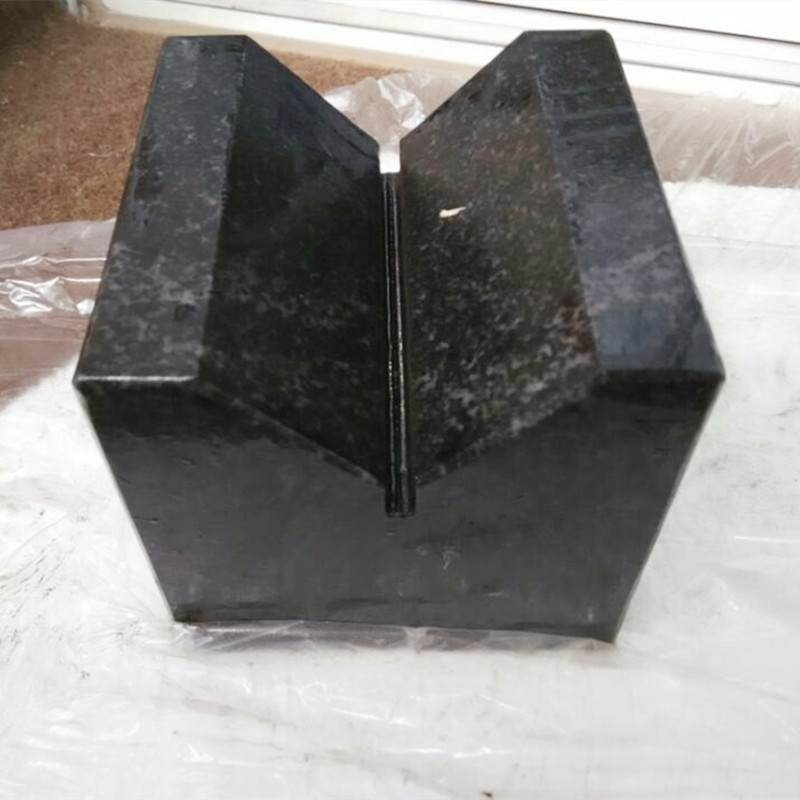
The Importance of V-Blocks in Machining In the world of machining, precision and accuracy are paramount. Fabricators and engineers consistently seek tools and setups that enhance their workflow and product quality. One such indispensable tool is the V-block, a versatile workholding device that plays a crucial role in various machining applications. The Importance of V-Blocks in Machining One primary advantage of using V-blocks is their ability to provide stable support. When machining cylindrical parts—such as shafts or rods—the V-groove centers the piece, significantly reducing the likelihood of movement during operation. This is crucial because any shift in the workpiece can lead to inaccuracies, such as misaligned holes or uneven surfaces, compromising the integrity of the final product. v blocks for machining Additionally, V-blocks can be easily integrated into various setups, including milling machines, lathes, and surface grinders. They can be used individually or in pairs, depending on the size and shape of the workpiece. This adaptability allows machinists to create customized solutions for specific tasks, thereby enhancing productivity and efficiency. Another notable benefit of V-blocks is their ability to facilitate inspection processes. When measuring or checking the dimensions of a workpiece, the V-block provides a consistent reference point. This aids in achieving precise results, which is particularly important in quality control environments. Furthermore, the use of V-blocks helps reduce the risk of damage to the workpiece by providing a secure holding option that minimizes contact with tools. Machining operations often involve a variety of materials, including metals, plastics, and composites. V-blocks are equally effective across these materials, making them an essential tool in diverse manufacturing sectors. From automotive and aerospace to woodworking and metal fabrication, the applications of V-blocks are virtually limitless. In conclusion, V-blocks are more than mere fixtures in the machining world; they are essential components that contribute significantly to a machinist's toolkit. By providing stability, versatility, and support, they enhance the accuracy and quality of machining operations. As manufacturing processes continue to evolve with advances in technology, V-blocks will remain a steadfast ally for machinists aiming to achieve precision in their craft. Their importance cannot be overstated, making them a critical investment for any machining workshop seeking to enhance productivity and maintain high-quality standards.
about
led standing mirror
Understanding Thread Pin Gauges A Comprehensive Overview In the world of precision engineering, the importance of ensuring that threaded components fit together seamlessly cannot be overstated. This is where thread pin gauges come into play. These tools are essential for the measurement and inspection of internal and external threads, helping to maintain quality standards in various manufacturing processes. In this article, we delve into the details of thread pin gauges, their functions, types, and significance in precision machining. What is a Thread Pin Gauge? A thread pin gauge is a type of precision measuring tool designed to verify the profile and dimensions of threaded components. It consists of pins that are machined to specific thread forms and sizes. When used correctly, these gauges can assess whether a particular thread conforms to the required specifications, thus ensuring compatibility between different threaded parts. Types of Thread Pin Gauges There are various types of thread pin gauges, each serving a unique purpose in the inspection process 1. Go and No-Go Gauges These are the most common types of thread pin gauges. The Go gauge should fit into the thread without any resistance, while the No-Go gauge should not fit. This binary inspection facilitates quick checks on whether the threads meet the required standards. 2. Plug Gauges Designed for both internal and external threads, plug gauges can help determine whether the threads are within tolerances. Similarly to Go and No-Go gauges, these are utilized in pairs to assess the correctness of threaded parts. 3. Ring Gauges Typically used to check external threads, ring gauges encompass a circular opening that must fit securely over the threaded part under inspection. This aids in determining if the threads are manufactured to precise specifications. 4. Intermediate Gauges These gauges serve specialized functions to check threads that fall between standard sizes. They are especially useful for custom or less common thread dimensions. The Importance of Thread Pin Gauges Thread pin gauges play a crucial role in ensuring the accuracy and precision of threaded components . Here are some key reasons why they are indispensable in manufacturing thread pin gauge 1. Quality Control Consistent use of thread pin gauges helps maintain high-quality standards. By regularly inspecting threads, manufacturers can reduce defects and ensure that every component meets the stringent requirements of their applications. 2. Interchangeability In applications where parts need to interchange seamlessly, such as in machinery and automotive components, thread pin gauges ensure that parts manufactured by different suppliers can fit together without issues. 3. Cost Efficiency By identifying manufacturing defects early, thread pin gauges help in reducing waste and rework costs. This ultimately leads to increased productivity and profitability within a manufacturing environment. 4. Standard Compliance Many industries are subject to standards such as ISO or ASME, which mandate specific tolerances for threaded components. Using thread pin gauges allows manufacturers to comply with these standards, thereby avoiding potential liabilities and enhancing product reliability. Best Practices for Using Thread Pin Gauges To maximize the effectiveness of thread pin gauges, it’s essential to follow best practices 1. Regular Calibration Thread pin gauges should be calibrated regularly to ensure their measurements remain accurate. Any deviations can lead to improper assessments of threaded components. 2. Proper Handling and Storage Due to their precision nature, thread pin gauges should be handled carefully and stored in suitable conditions to prevent damage. 3. Training and Familiarization Operators should be trained to understand how to use thread pin gauges properly. Familiarity with the specific types of gauges and their functions is vital for effective inspections. Conclusion In conclusion, thread pin gauges are vital tools in the sphere of precision engineering. They are integral to quality control processes, helping manufacturers maintain high standards and ensure interchangeability of threaded components. By investing in high-quality gauges and adhering to best practices in their usage, manufacturers can enhance their production efficiency and product reliability. As industries continue to advance and demand for precision components increases, the role of thread pin gauges will remain critical in supporting manufacturing excellence.
-

High quality industrial productsagement

High quality industrial products
View Details -

Meet the diverse needs of customers

Meet the diverse needs of customers
View Details -

Strict quality control

Strict quality control
View Details -

Top raw materials

Top raw materials
View Details -

Trusted supplier

Trusted supplier
View Details
Our application


news and information
Vòng vít đo
Đồ đo độ dày của vòng và vít Công cụ thiết yếu trong ngành công nghiệp Trong ngành công nghiệp hiện
Using a Spirit Level for Accurate Measurement and Alignment in Various Projects
The Importance of the Spirit Level A Fundamental Measuring Tool In the world of construction and car
Versatile Wood Connector Brackets for Durable and Secure Construction in Various Projects
Understanding Wood Connector Brackets Essential Components for Woodworking Projects In the realm of
 English